
The Money Value of Time
Benefits of real places vary with the hour and season. Budget accordingly.

When last we left our capitalist system, it had come to look a little punchy. Capitalism, remember, evolved around physical goods. Price-makers assumed things would lose value over time: corn would spoil, engineers would create something that outperforms the 8-track, and so on. Now, as deeper thinkers than I have noted, online economics force you and I and Uncle Kurt to become products whose value plummets or rises depending on what an algorithm reads.
Maybe, though, this crazy flow of economic value creates space for a different scheme. Maybe it allows for value to move in different directions at different times of day.
Since my summer trip to Eureka, I’ve started thinking that capital could flow if people start thinking of things’ value changing with time. If this idea catches a spark, people could use it to budget for making places stronger amid climate chaos and for making people more sociable amid the AI onslaught.
What would follow if voters, shareholders, and stakeholders budgeted to capture how places do a range of jobs around the clock? The photo I took below from Manhattan’s Chatham Square offers some clues.
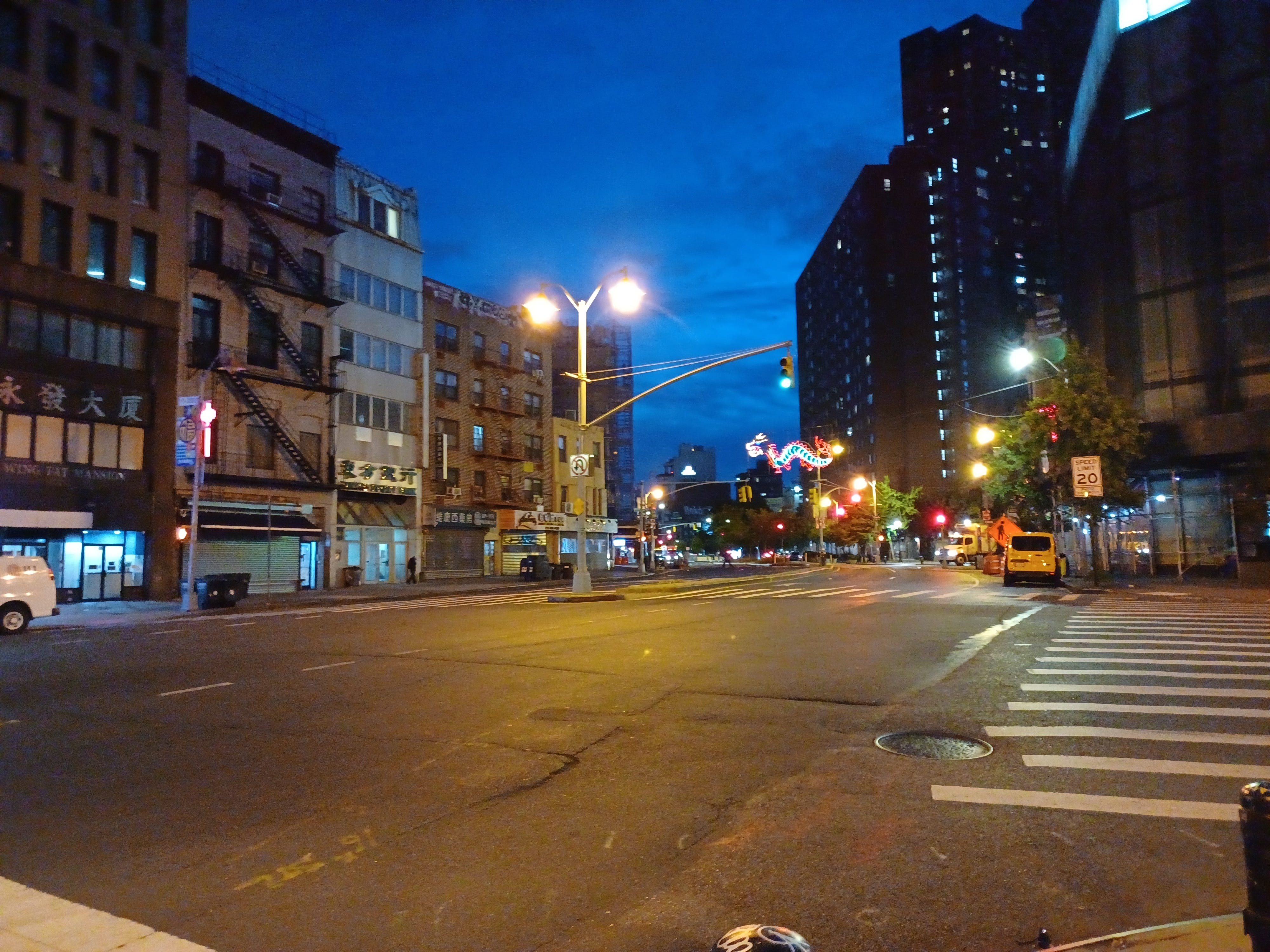
I was running home after lending peripheral support to people gearing up to watch for ICE thugs at the federal courthouse. I passed this lit-up dragon at the gateway to Chinatown, which is the neighborhood next to mine. I pass this dragon at least once a week and had never noticed it in daylight. I thought: it’s cheery, it’s bright, and the wannabe-king wants me to fear it.
Letting my mind wander, I wondered what would change if the government ran round-the-clock deportation hearings. Could more people move faster through the process? Would people who’ve risked their lives and suspended their marriages for work in the USA grit their way through the timing? What would follow if, in some parallel universe where IRS agents still have ordinary hands, the feds clipped a thousandth of ICE’s budget to send agents for unarmed and educational walks through the neighborhoods where undocumented people live and work?
Would the ICE agents now willing to pummel defenseless women go looking for other jobs with friendlier hours? Would bullying BS drain away from the agency culture?
More practically, how can rules and laws tied to times of day sharpen people’s appreciation for hanging out with other people? I thought up some ways.
Parks as flood basins. You often pass empty parks and playgrounds. They take up space all night, all winter, and most of the day without supporting a lot of licit uses. New York City padlocks them at night and dispatches a small group with big keychains to open them by 7 am. But can you pay parks overtime?
The idea has prospectors as cities try to adapt to gonzo rainstorms. Designers and public managers met in Manhattan during New York Climate Week to review a decade of idea-sharing between New York City and Copenhagen officials. The chief result consists in the “cloudburst park.” On this scheme city workers kit out a basketball court or other play space with spongy pavement and underground basins to attract water during a flood. (Here’s how New York City explains it.)
Parks draw hardly anyone when it rains. This design deploys idle parks on the city’s behalf. So could a city council “pay” a park for the productivity and safety it safeguards? Could a mayor calculate the value of avoided losses and steer some of it to pay for new basketball nets and soap dispensers that folks would use at other times?
In some places where irregular floods are happening on the regular, parks can start to do what insurance can’t. City-run programs to buy homes in floodplains get tricky and emotional fast, as I’ve covered for the Urban Land Institute. But when the owner and city strike a deal and a threatened home becomes a floodable park, land that’s protecting other residents for a few days a year gains a different value.
(This picture shows the result of converting Manhattan’s East River Park from one design to a flood-ready one. Even this involved lots of tradeoffs and frustrated lots of neighbors, so maybe the savings it produces ought to roll back to them.)
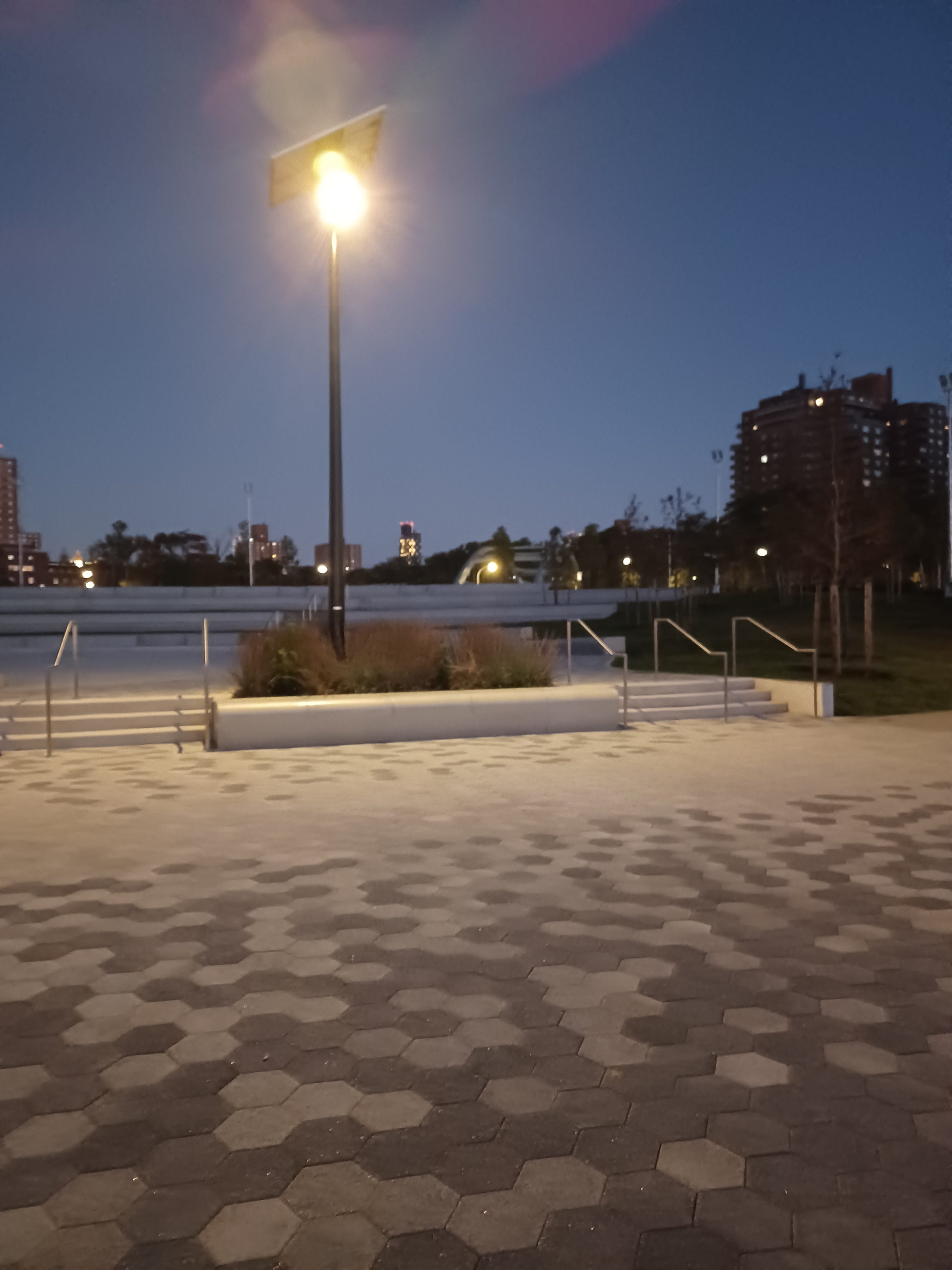
This steers us back to my notion of alternate-universe ICE agents seeing immigrants buying groceries and immigrants exiting their hearings at dawn. If real places gain value when it rains, what do we learn by squeezing this concept down to times of day?
Quiet buildings as places to chitchat. Schools and cell-phone stores do hardly anything at night. Could an owner or operator earn a grant from a government or foundation to convert such places into phone-free havens, as Connective Tissue has broached in its work? Could we push even further and combine schools with overnight housing?
Let’s keep going. People tend to stow their phones if they feel like they’re going somewhere meaningful together. I learned that on an early Sunday Amtrak cafe car mostly full of Eagles and Ravens fans. What’s to stop a town or city from encouraging people to shop or visit parks at normally-sleepy times? The cities could give merchants incentives to offer discounts when business is usually slow.
That would turn traditional economics inside-out: you offer happy hour prices in the old real world when people are clocking off work, because then you draw more people and make up the discount on volume. But the time-of-day incentive might pay off for everyone if messaging captures the value people can draw from being together and from drawing steady cues to look up from their icy screens.
Offline enhancement at prime time. More ambitiously, what if a community tried to capture the social cost of social media? I can only picture this working in small towns and kicking in after lots of negotiation, but I can picture it. Say you have a locally owned utility. Say people opt in to anonymized data that shows the total hours people spend on an addictive platform. Then imagine paying a WiFi surcharge for the aggregate hours on those platforms during lunch hours, parades, street fairs, or other times when you’d hope residents would dig into the real world.
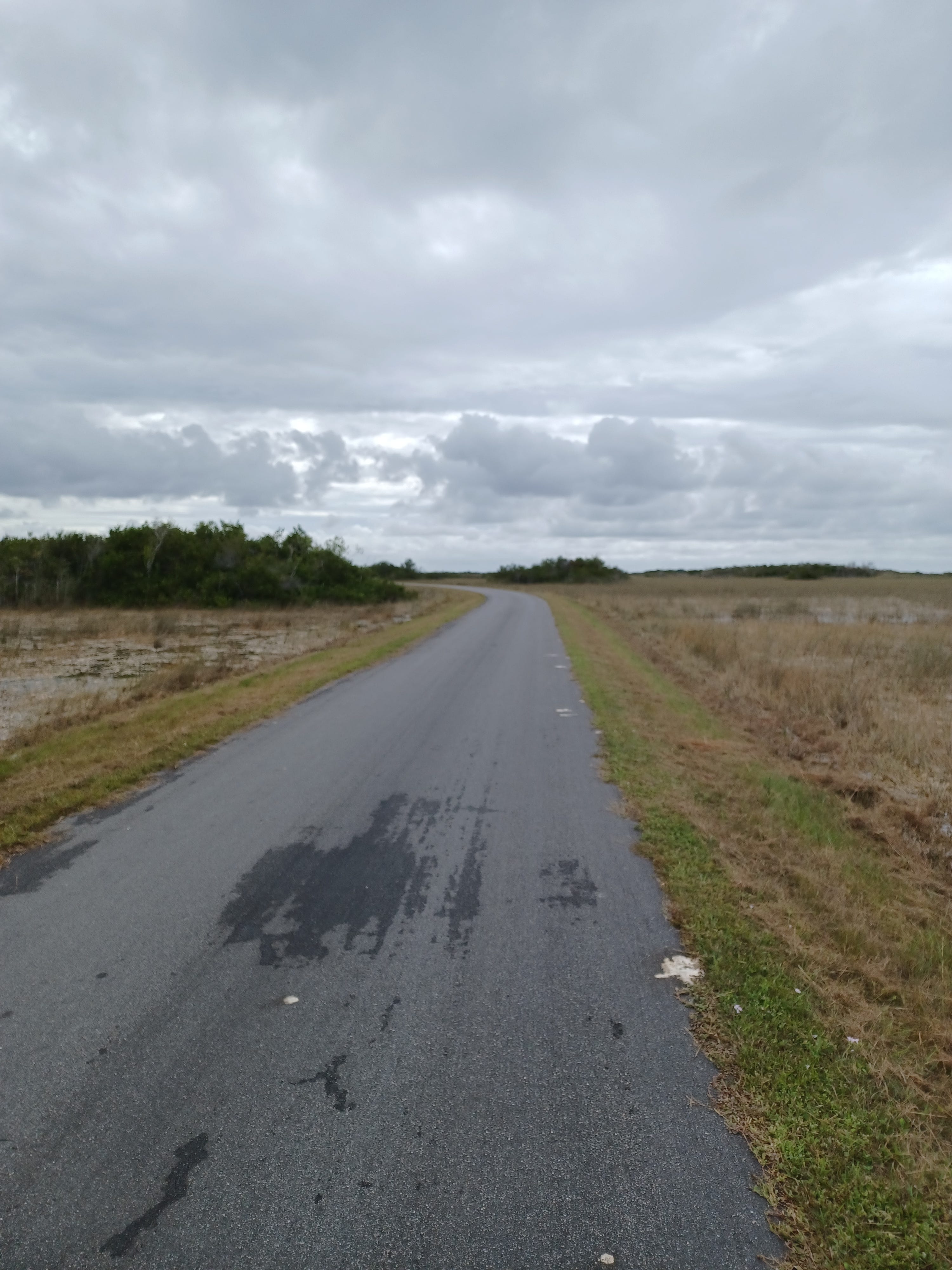
Or imagine a voluntary scheme at national parks where you can get a discount for arriving early and a separate break for setting your phone to airplane mode. (On that scheme, I’d have gotten this same picture in the Everglades last December, but might have reaped a few more minutes absorbing the place’s unique nature before Donald and Ron decided to make it a torture chamber.)
All these imaginings aim to stir thinking, which might lead to planning, which might lead to connecting. I get that time-of-day pricing has stalled where electric utilities have tried it: I’m imagining something that captures the value of mixing with nature and other people, rather than the cost of draining a resource. But any baking of the ideas I’ve offered would require a lot of chefs and tasters.
I’m keeping the idea in mind each morning, as the early quiet helps me size up valuable lessons. I tried carrying them from Chatham Square. China’s government does lots of meretricious things. But a legacy of Chinese immigrants forms how my city goes out to dinner, gets through the winter, and sees light race across the predawn sky. The cultural legacy brightens my runs and my town.
You can absorb this complexity in many cities and in the woods, more easily and more intensely at different times of day. The world of straight-line value erosion has likely orbited away for good. Any time for fresh collaboration seems rich with value.